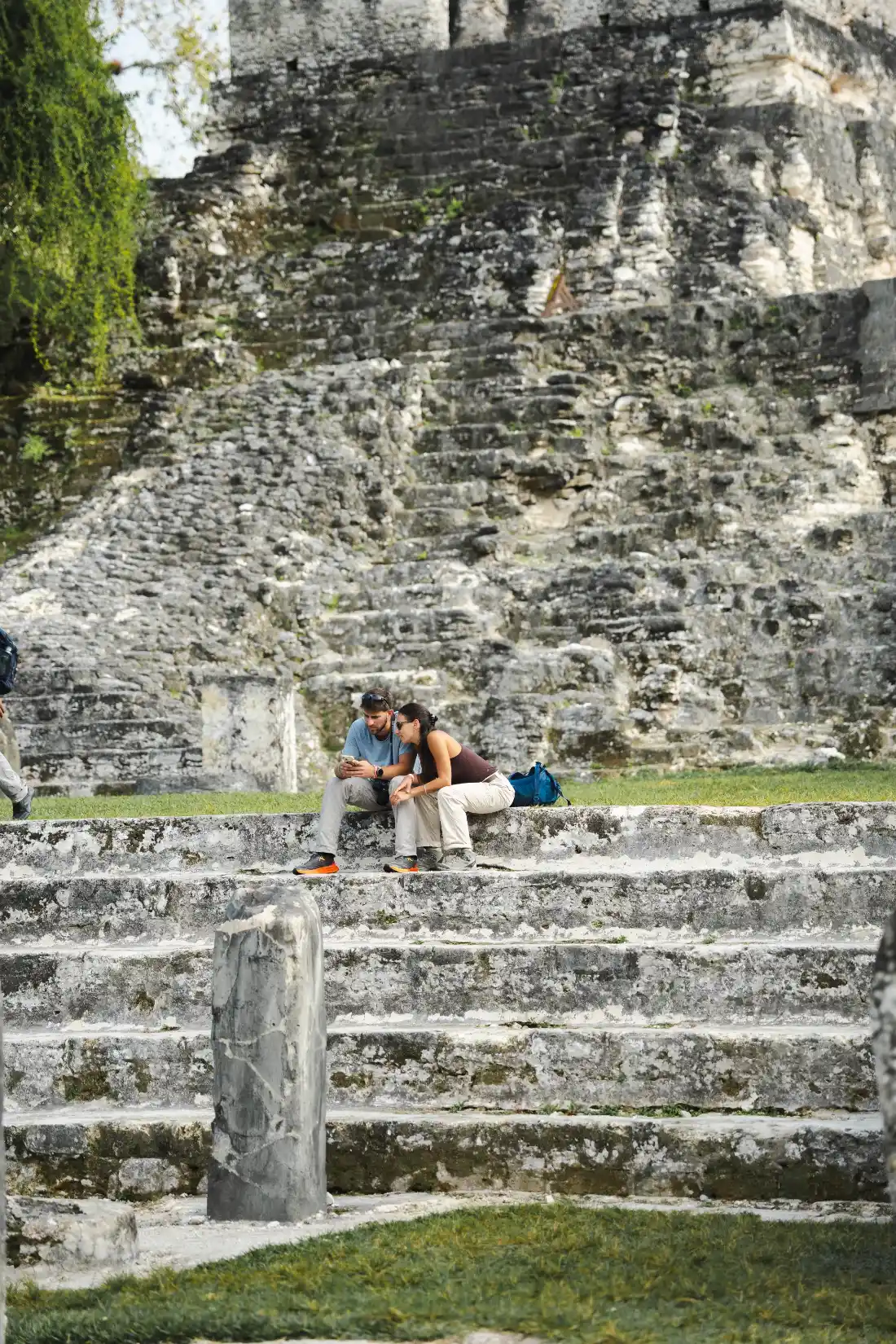
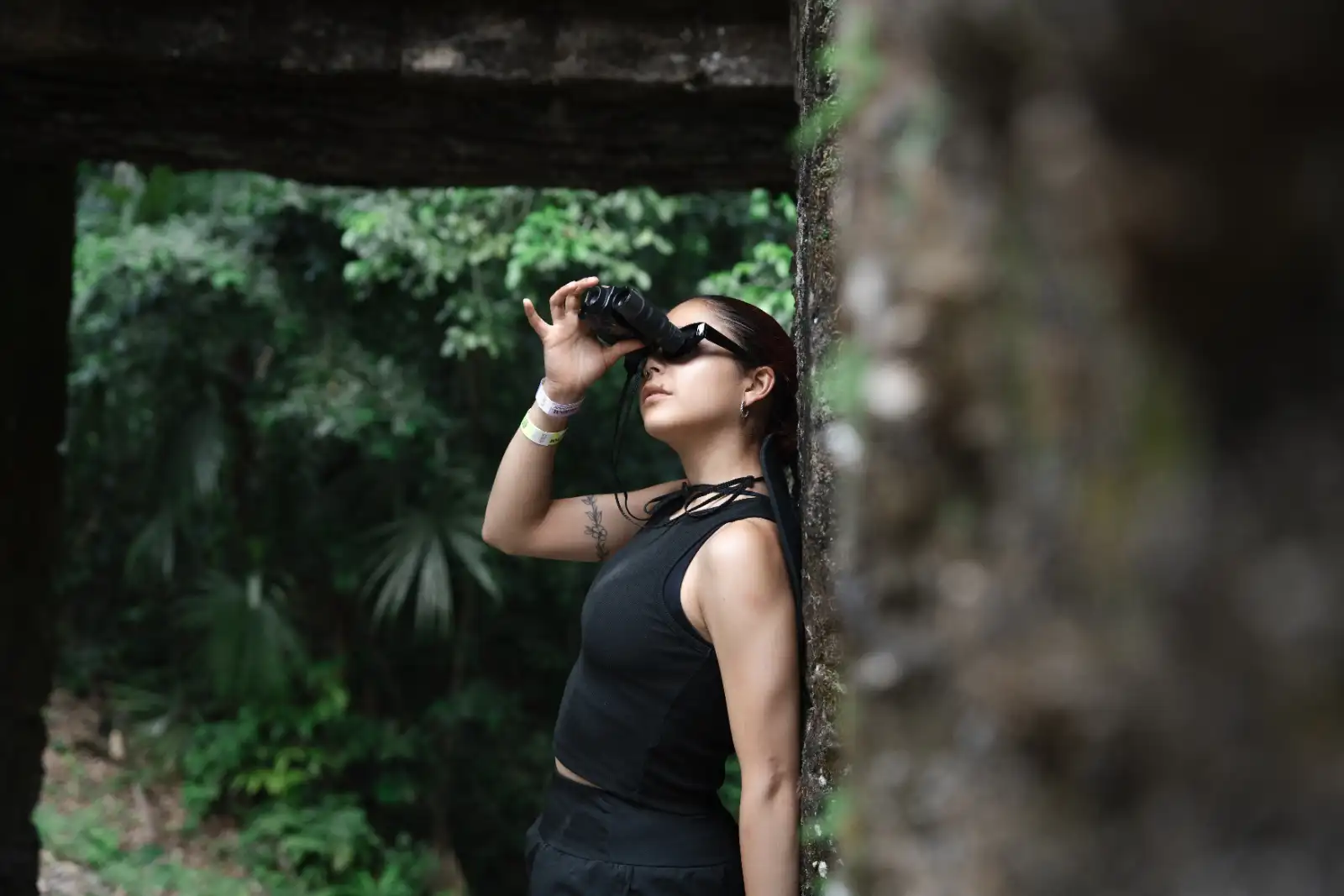
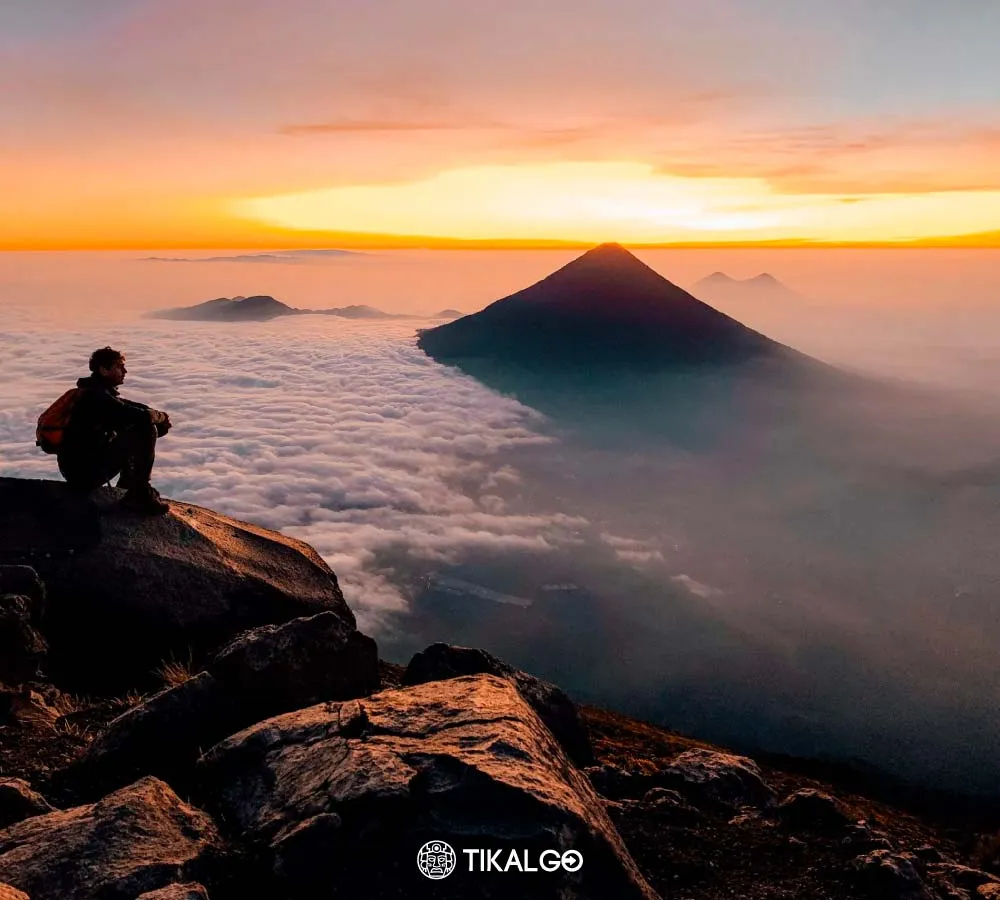
Two-day trek with a ready-made canvas camp facing Volcán de Fuego. Sleep above the clouds facing Volcán de Fuego, one of the most active volcanoes in the Americas, on Guatemala's signature two-day trek.
Photo gallery
What to expect
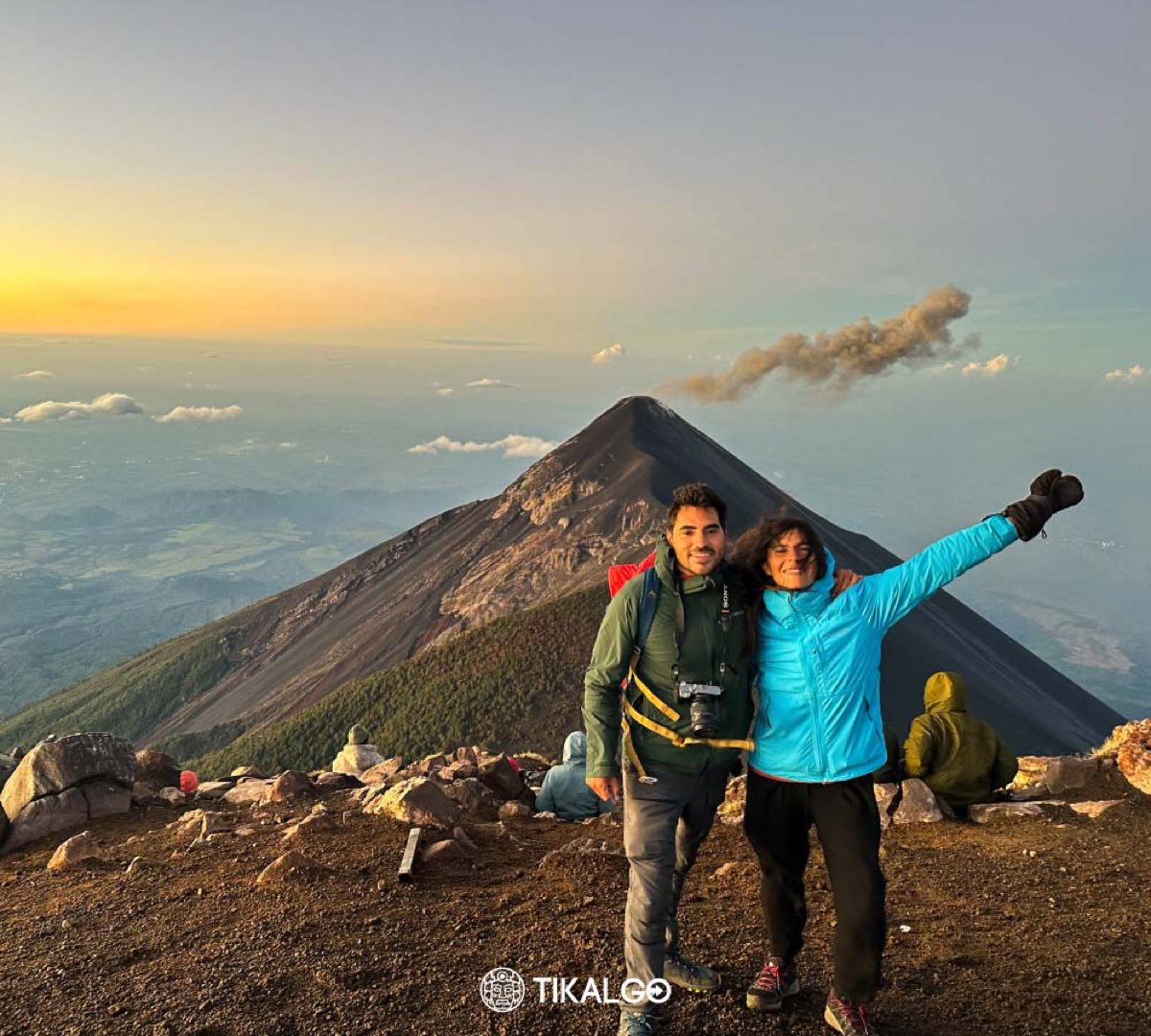
The difference is the night. Instead of pitching a backpacking tent in the dark, you arrive to a camp already standing: a canvas cabin tent, a raised cot with a sleeping bag, and a fire going. Sleeping off the ground at 3,600 metres is the difference between enduring the night and actually sleeping.
After hotel pickup we drive to La Soledad, meet the guiding team and start climbing. Porters carry the camp equipment ahead of the group. The first 45 minutes are deliberately slow so your body can adapt to the altitude.
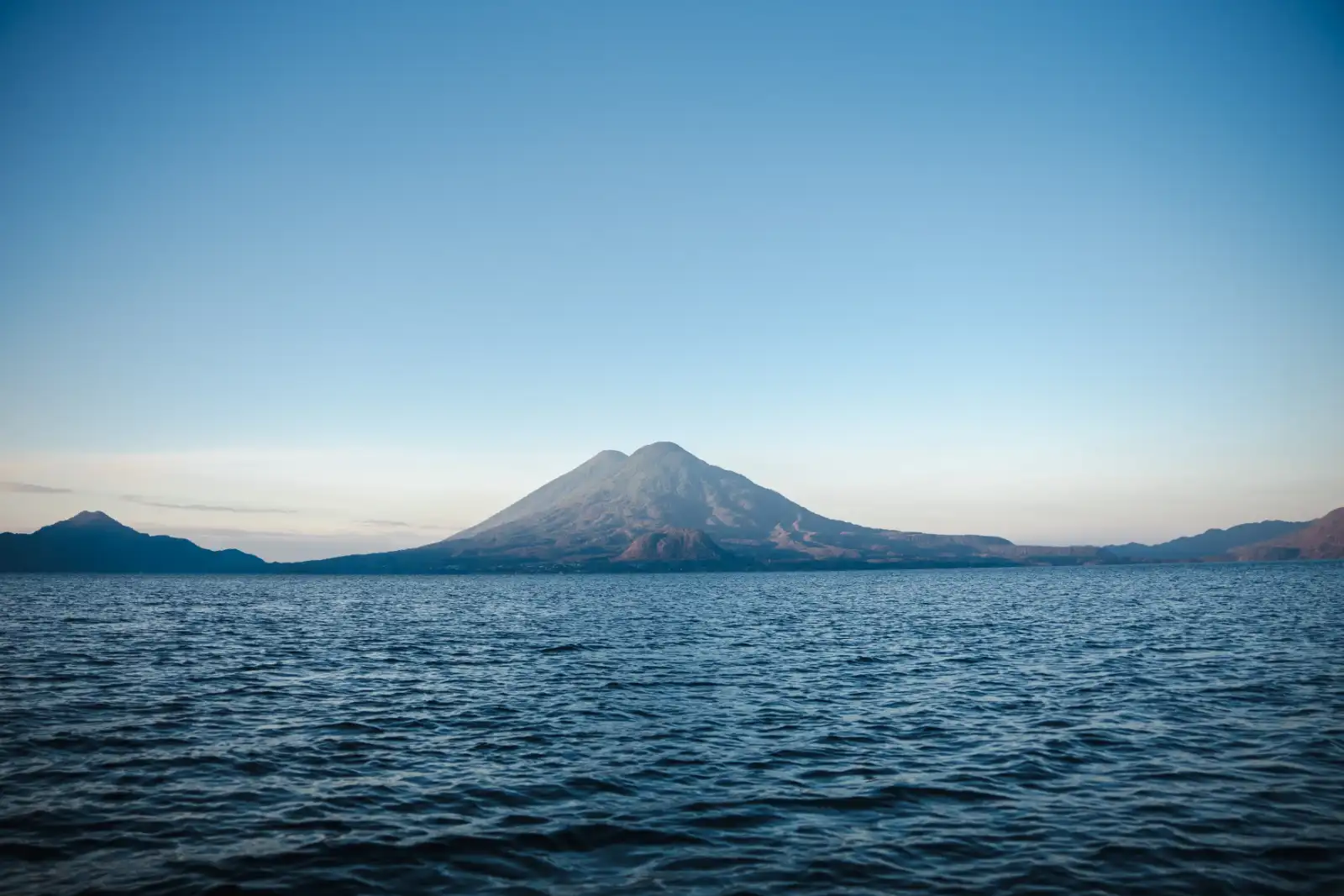
The ascent takes about 6.5 hours through farmland, cloud forest and volcanic sand, then an almost flat traverse to camp. Around 16:00 camp comes into view, and so does Fuego. On clear days you'll also see Volcán de Agua and Lake Atitlán. Dinner is served by the fire as the eruptions light up.
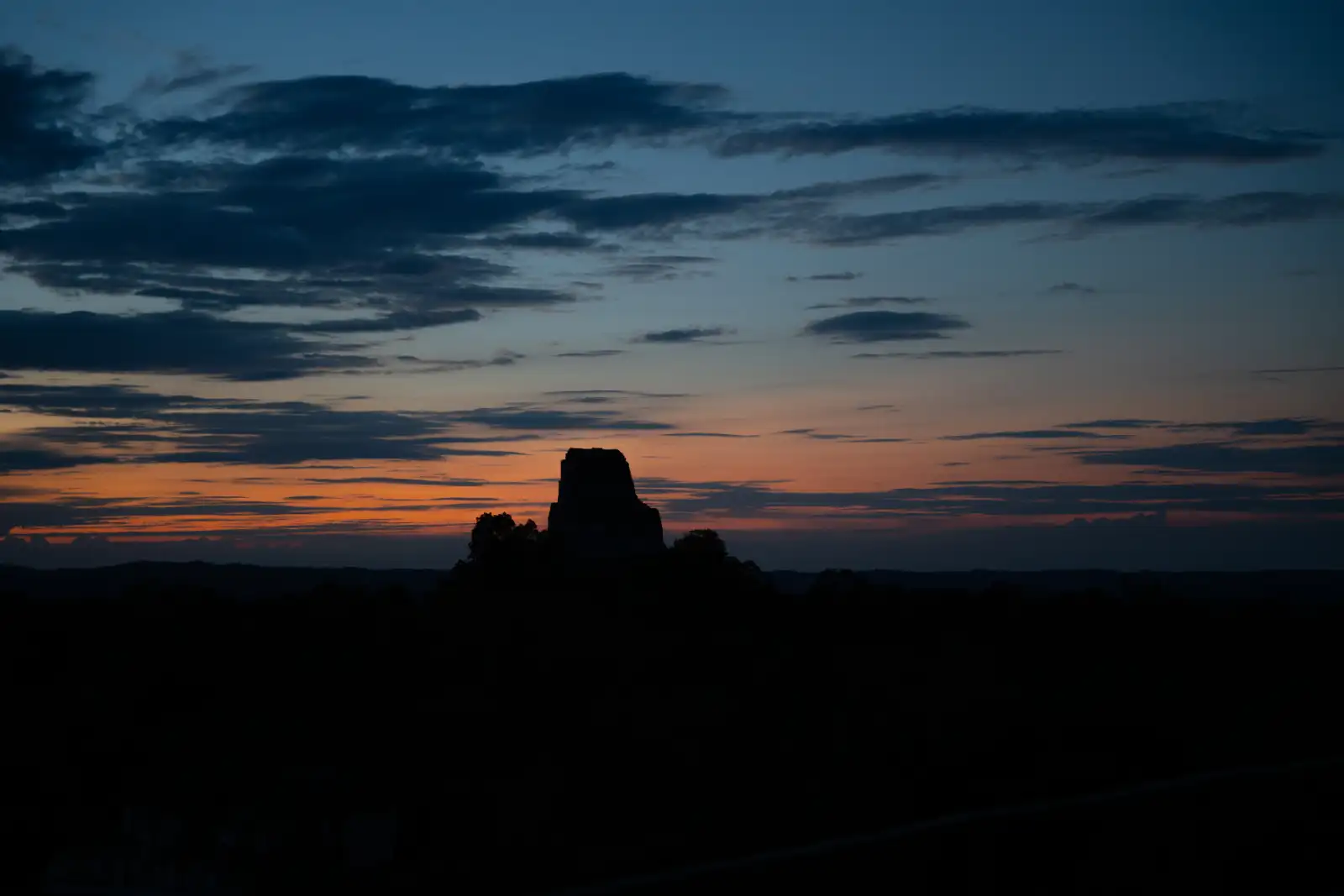
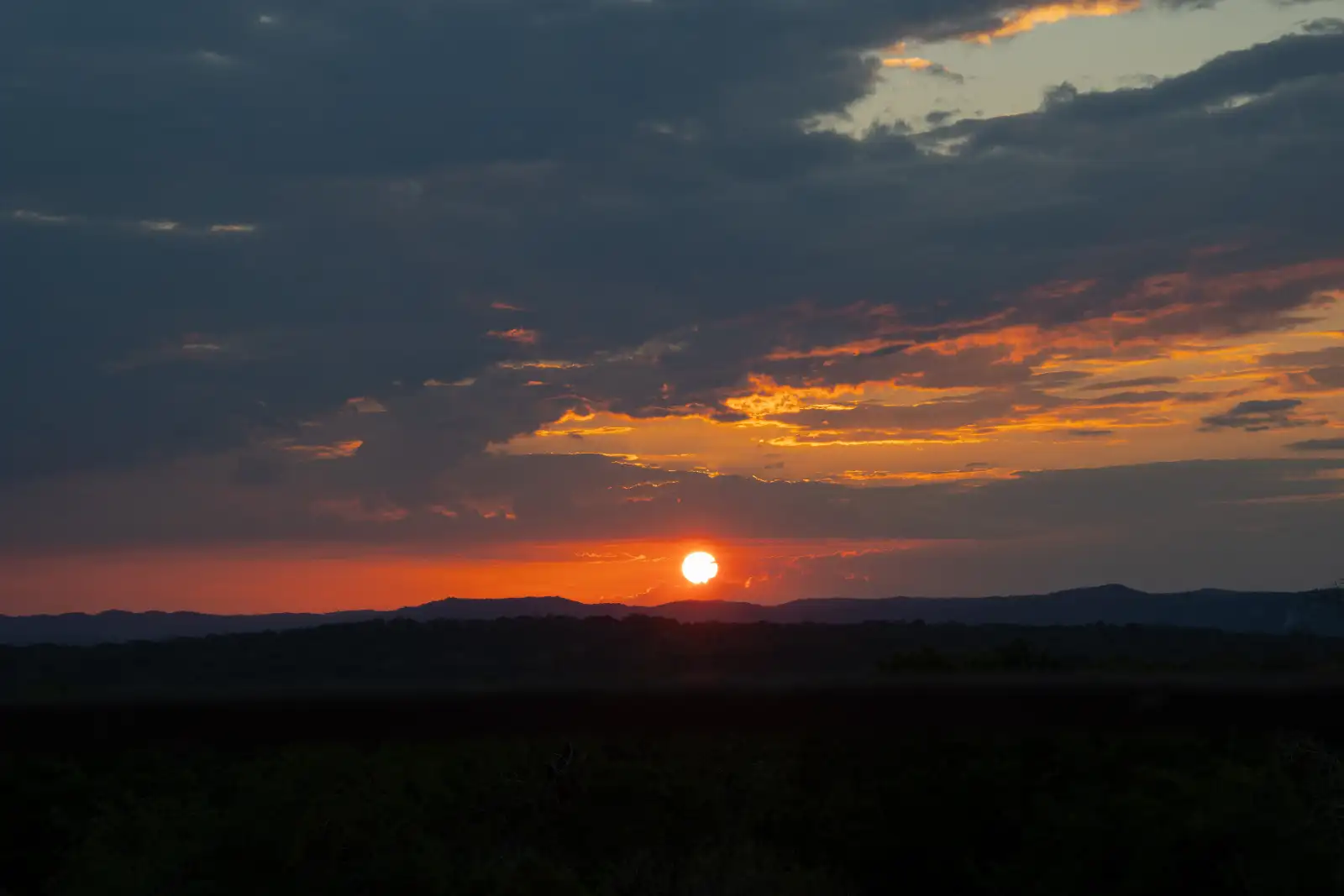
On day two you can hike to the summit for sunrise or watch it from camp and climb afterwards. If wind or cloud make the pre-dawn push unsafe, your lead guide makes the call. After breakfast at camp, the descent takes about 3.5 hours and you're back at your hotel by early afternoon.
Guides are certified mountain guides trained in remote-area first aid. No technical climbing experience is needed, but you should be comfortable walking uphill for several hours.
Itinerary
The hike, stage by stage
About 6.5 hours up, 2 hours to the summit and 3.5 hours down: roughly 12 hours of walking over two days.
Price by group size
Flat rate per person, minimum 2 participants. Pickup from Antigua or Guatemala City at the same price.
The details
FAQs
How difficult is the Acatenango hike?
+
We rate it 4 out of 5: about 1,500 m of elevation gain over 6.5 hours, with the steepest part first. No technical skill is needed, but you should be comfortable walking uphill for hours with a daypack. Guides keep the first 45 minutes slow so you can adapt to the altitude.
Do I need to be fit?
+
You should be able to walk uphill for two hours without stopping to recover. Aerobic fitness matters far more than age — we have taken guests in their sixties to the summit.
Will I see Volcán de Fuego erupt?
+
The camp faces Fuego from about 5 km away, and during active periods it erupts several times an hour. Most guests see several eruptions, though cloud is possible in the rainy season.
What is the difference between glamping and camping?
+
Your canvas cabin tent is pitched before you arrive, with a raised cot instead of a mat on frozen ground. Tents are single, double or triple. There is no electricity or shower, and the toilet is a latrine — a comfortable mountain camp, not a hotel.
How cold does it get at camp?
+
Usually 0–5 °C (32–41 °F) at night, colder with wind. Bring a warm layer to sleep in, plus gloves and a hat.
Is altitude sickness a risk?
+
Mild headache, breathlessness and poor sleep are common above 3,500 m. Serious altitude sickness is rare at this height. Guides are trained to spot symptoms and carry a first aid kit — tell yours straight away if you feel unwell.
What happens if the weather is bad?
+
Tours run in rain. If wind or cloud makes the pre-dawn summit unsafe, we watch sunrise from camp and climb afterwards. If the park closes the trail, you can reschedule or get a refund.
When is the best time to go?
+
November to April (dry season) has the clearest skies. May to October brings afternoon rain and fewer people; a rain jacket is essential.
More tours from Antigua
Other tours departing Antigua.
See all 18 tours from Antigua →